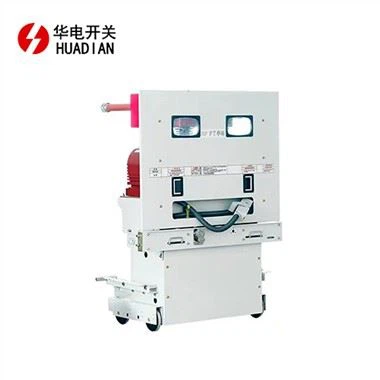
Hey there! As a supplier of ZN12 - 40.5 Vacuum Circuit Breakers, I often get asked about how to choose the right contact material for these bad boys. It's a crucial decision that can significantly impact the performance and lifespan of the circuit breaker. So, let's dive right in and break it down.
First off, let's understand why the contact material matters so much. The contacts in a vacuum circuit breaker are responsible for making and breaking the electrical circuit. During normal operation, they need to conduct electricity efficiently with minimal resistance. When a fault occurs, they have to quickly interrupt the current flow without causing excessive arcing or damage. Different contact materials have different properties that affect these functions, so picking the right one is no small feat.
One of the most common contact materials used in vacuum circuit breakers is copper - chromium (CuCr). CuCr contacts have a great combination of properties that make them suitable for a wide range of applications. They have good electrical conductivity, which means they can carry high currents without getting too hot. This is important because excessive heat can lead to degradation of the contacts and other components in the circuit breaker.
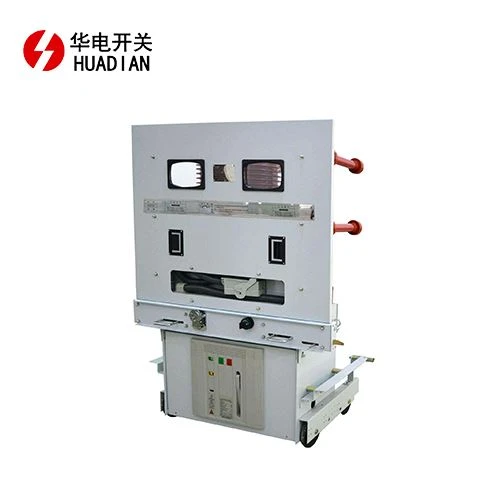

Another advantage of CuCr contacts is their excellent arc - quenching ability. When the contacts separate during a fault, an arc is formed. The CuCr material helps to quickly extinguish this arc by absorbing the energy and preventing it from reigniting. This results in a more reliable interruption of the current and reduces the wear and tear on the contacts.
However, CuCr contacts aren't perfect. They can be relatively expensive compared to some other materials. Also, in some high - current applications, they may experience some erosion over time, which can affect their performance. But overall, they are a popular choice for many ZN12 - 40.5 Vacuum Circuit Breakers due to their proven track record.
Silver - tungsten (AgW) is another option for contact materials. AgW contacts have extremely high melting points and good resistance to arc erosion. This makes them ideal for applications where the circuit breaker needs to handle high - energy faults. They can withstand the intense heat generated during arcing without deforming or losing their electrical conductivity.
On the downside, AgW contacts are even more expensive than CuCr contacts. They also have relatively high contact resistance compared to copper - based materials, which can lead to more power losses during normal operation. So, while they offer excellent performance in high - stress situations, they may not be the best choice for all applications.
There are also some newer contact materials on the market, such as copper - tungsten - graphite (CuW - C) composites. These materials combine the good electrical conductivity of copper with the high melting point and arc - resistance of tungsten and the lubricating properties of graphite. CuW - C contacts can offer improved performance in terms of both electrical conductivity and arc - quenching compared to traditional materials.
Now, when it comes to choosing the contact material for your ZN12 - 40.5 Vacuum Circuit Breaker, there are a few factors you need to consider.
The first factor is the application. What kind of electrical system is the circuit breaker going to be used in? Is it a high - voltage transmission line, a distribution network, or an industrial facility? Different applications have different requirements in terms of current levels, fault currents, and the frequency of operation. For example, if the circuit breaker is going to be used in a high - voltage transmission line, it will need to handle large fault currents and may require a contact material with excellent arc - quenching capabilities, like CuCr or AgW.
The second factor is the cost. As I mentioned earlier, different contact materials have different price tags. You need to balance the performance requirements of your application with your budget. If cost is a major concern, you may want to consider a more cost - effective option like CuCr, as long as it meets the performance needs of your system.
The third factor is the expected lifespan of the circuit breaker. Some contact materials are more durable than others and can withstand more operations without significant wear and tear. If you need the circuit breaker to have a long service life, you may want to invest in a higher - quality contact material, even if it costs more upfront.
It's also worth noting that some manufacturers may offer custom - made contact materials based on your specific requirements. This can be a great option if you have unique needs that can't be met by off - the - shelf materials.
In addition to the ZN12 - 40.5 Vacuum Circuit Breaker, we also supply other related products. For example, you might be interested in our 35 Kv Vacuum Circuit Breaker. It's a great option for high - voltage applications and offers reliable performance. Another product is the ZN39 - 40.5 Vacuum Circuit Breaker, which has its own unique features and benefits. And if you're looking for a more advanced option, our ZN85 - 40.5 permanent magnet vacuum circuit breaker is definitely worth considering.
If you're in the market for a ZN12 - 40.5 Vacuum Circuit Breaker or any of our other products, and you have questions about contact materials or anything else, don't hesitate to reach out. We're here to help you make the right choice for your electrical system. Whether you're a small business owner or part of a large utility company, we can provide you with the expertise and products you need.
So, that's a wrap on how to choose the contact material for ZN12 - 40.5 Vacuum Circuit Breakers. I hope this blog post has been helpful to you. If you have any more questions or need further information, feel free to drop a comment or get in touch.
References
- "Handbook of Vacuum Circuit Breakers"
- "Electrical Contacts: Principles and Applications"