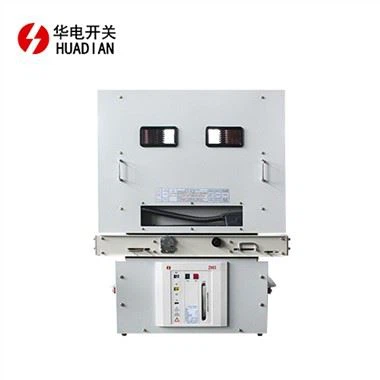
Yo, folks! As a supplier of 35kv Vacuum Circuit Breakers, I've seen firsthand the evolution of these crucial electrical components. Today, I wanna chat about the difference between a vacuum circuit breaker with intelligent protection and a traditional one.
Let's start with the basics. What the heck is a vacuum circuit breaker? Well, it's a device used in electrical systems to interrupt the flow of current when there's a fault or when you need to switch the circuit on or off. The "vacuum" part comes from the fact that the interruption happens in a vacuum chamber, which is super effective at quenching the arc that forms when the circuit is broken.
Traditional Vacuum Circuit Breakers
Traditional vacuum circuit breakers have been around for ages. They're like the reliable old workhorses of the electrical world. They do their job well, but they're pretty basic in terms of functionality.
One of the main features of traditional breakers is their simplicity. They're designed to perform a single task: break the circuit when there's an overcurrent or a short circuit. They use mechanical mechanisms to open and close the contacts. When the current exceeds a pre - set limit, a thermal or magnetic trip mechanism kicks in, and the contacts separate, interrupting the current flow.
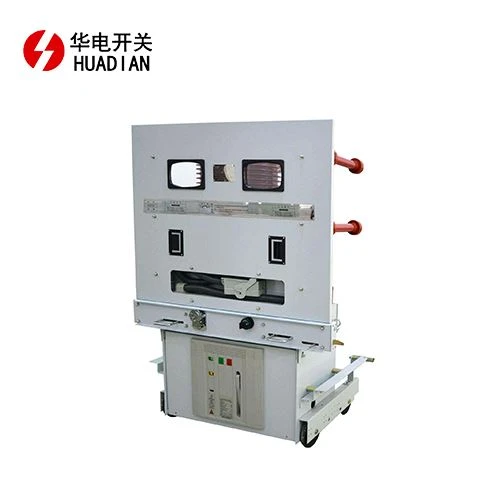
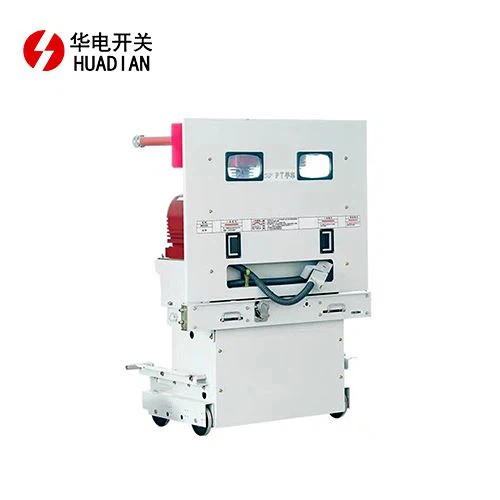
These breakers are pretty robust. They can handle high voltages and currents, which is why they're still widely used in many power systems, especially in older installations. They're also relatively easy to maintain. If something goes wrong, you can usually just replace the worn - out parts, like the contacts or the trip mechanism.
However, traditional vacuum circuit breakers do have their limitations. They lack real - time monitoring capabilities. You have no idea what's going on inside the breaker until something goes wrong. For example, if the contacts are wearing out, you won't know until the breaker fails to operate properly.
Another drawback is that they're not very flexible. Once they're set to a certain trip current, it's hard to change it without physically adjusting the breaker. This can be a real pain in the butt if you need to change the settings frequently, like in a dynamic electrical system where the load changes often.
Vacuum Circuit Breakers with Intelligent Protection
Now, let's talk about the new kids on the block: vacuum circuit breakers with intelligent protection. These are the high - tech versions of the traditional breakers, and they're changing the game big time.
The most significant difference is the addition of intelligent protection systems. These systems use sensors and microprocessors to monitor the electrical parameters in real - time. They can measure things like current, voltage, temperature, and even the condition of the contacts.
With this real - time data, the intelligent breaker can make smart decisions. For example, if it detects a slight increase in temperature that could indicate a potential problem, it can send an alert to the operator. This allows for proactive maintenance, which can prevent costly breakdowns and downtime.
Intelligent breakers also offer much more flexibility. You can easily adjust the trip settings using software. This means you can adapt the breaker to different load conditions without having to open up the device and make physical changes. This is a huge advantage in modern power systems where the load can vary widely throughout the day.
Another cool feature is the ability to communicate. These breakers can be connected to a network, either wired or wirelessly. This allows them to share data with other devices in the power system, like control centers or other breakers. This communication capability enables more efficient and coordinated operation of the entire electrical network.
Performance Comparison
When it comes to performance, the intelligent breakers have a clear edge over the traditional ones. In terms of response time, intelligent breakers can react much faster to faults. The microprocessors can analyze the data and trigger the trip mechanism in a fraction of a second. Traditional breakers, on the other hand, rely on mechanical components that take a bit longer to operate.
In addition, intelligent breakers can provide more accurate protection. They can distinguish between different types of faults, like short - circuits and overloads, and apply the appropriate protection strategy. Traditional breakers usually have a one - size - fits - all approach, which may not be as effective in some situations.
Cost and Installation
Of course, all these fancy features come at a cost. Intelligent vacuum circuit breakers are generally more expensive than traditional ones. The sensors, microprocessors, and communication modules add to the manufacturing cost. However, when you consider the long - term benefits, like reduced maintenance costs and increased system reliability, the extra investment can be well worth it.
Installation of intelligent breakers can also be a bit more complex. You need to make sure the sensors are properly installed and calibrated, and the communication network is set up correctly. But most manufacturers provide detailed installation guides and support to make the process as smooth as possible.
Conclusion
In conclusion, while traditional vacuum circuit breakers still have their place in the electrical world, vacuum circuit breakers with intelligent protection are the future. They offer real - time monitoring, flexibility, and better performance, which are essential in modern power systems.
If you're in the market for a High Voltage Vacuum Circuit Breaker, a 35 Kv Vacuum Circuit Breaker, or even a 33kv Vacuum Circuit Breaker, I'd highly recommend considering the intelligent option. It might cost a bit more upfront, but it'll save you a lot of headaches in the long run.
If you're interested in learning more or want to discuss your specific requirements, don't hesitate to reach out. We're here to help you make the best choice for your electrical system.
References
- Electrical Engineering Handbook: A comprehensive guide on electrical components and systems.
- Industry reports on the development and application of vacuum circuit breakers.