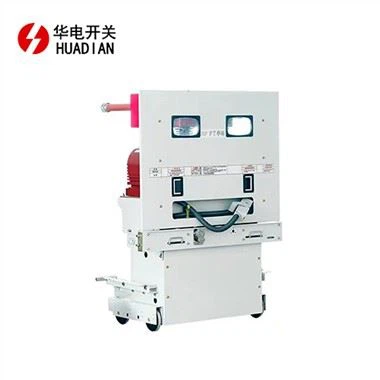
Hey there! As a supplier of the VEGM - 40.5 Vacuum Circuit Breaker, I've seen firsthand how different environmental factors can impact the performance of these crucial electrical devices. One factor that often gets overlooked is the seismic environment. In this blog, I'll dig into how the seismic environment affects the performance of the VEGM - 40.5 Vacuum Circuit Breaker.
Understanding the VEGM - 40.5 Vacuum Circuit Breaker
Before we jump into the seismic stuff, let's quickly go over what the VEGM - 40.5 Vacuum Circuit Breaker is. It's a key component in electrical systems, designed to interrupt the flow of electrical current when necessary. This helps protect the system from damage due to overloads, short - circuits, and other electrical faults. The breaker uses vacuum as the arc - quenching medium, which makes it highly efficient and reliable.
The Seismic Environment: What's the Big Deal?
Seismic activity, like earthquakes, can generate strong vibrations and ground motions. These movements can put a lot of stress on electrical equipment, including the VEGM - 40.5 Vacuum Circuit Breaker. When an earthquake hits, the ground shakes in all sorts of directions - up and down, side to side. This shaking can cause mechanical stress on the breaker's components.
Mechanical Stress on Components
The first way the seismic environment affects the VEGM - 40.5 is through mechanical stress. The vibrations can cause the internal parts of the breaker to move around more than they're supposed to. For example, the contacts inside the breaker, which are responsible for making and breaking the electrical connection, can experience excessive movement. This might lead to misalignment, which can in turn affect the breaker's ability to interrupt the current properly.
The housing of the breaker is also at risk. Seismic vibrations can cause cracks or other damage to the housing. If the housing is damaged, it might not be able to protect the internal components from external elements like dust and moisture. This can lead to corrosion and other issues that can degrade the performance of the breaker over time.
Impact on Electrical Connections
In addition to mechanical stress, seismic activity can also impact the electrical connections within the VEGM - 40.5 Vacuum Circuit Breaker. The shaking can loosen the electrical connections, such as the wires and terminals. Loose connections can increase the resistance in the circuit, which can lead to overheating. Overheating is a major problem because it can damage the insulation of the wires and other components, and even cause a short - circuit.
Comparison with Other Vacuum Circuit Breakers
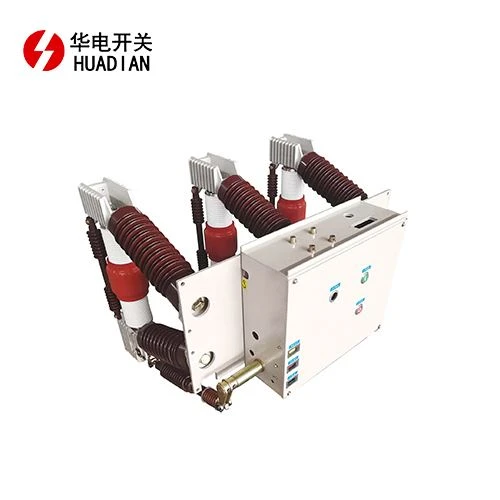
To give you a better perspective, let's compare the VEGM - 40.5 with some other vacuum circuit breakers like the ZN23 - 40.5 Vacuum Circuit Breaker and the ZN12 - 40.5 Vacuum Circuit Breaker. All of these breakers are designed for high - voltage applications, but they might respond differently to seismic activity.
The VEGM - 40.5 is built with a focus on durability and reliability in various environments. However, the ZN23 - 40.5 and ZN12 - 40.5 also have their own features. For example, the ZN23 - 40.5 might have a different housing design that could offer more or less protection against seismic vibrations. The ZN12 - 40.5 might have different internal component arrangements that could affect its resistance to mechanical stress during an earthquake.
Mitigating the Impact of the Seismic Environment
So, what can we do to make sure the VEGM - 40.5 Vacuum Circuit Breaker performs well in a seismic environment?
Seismic - Resistant Design
One approach is to use a seismic - resistant design. This involves using materials and construction techniques that can withstand the forces generated by seismic activity. For example, the housing can be made of a stronger and more flexible material that can absorb some of the shock from the vibrations. The internal components can be mounted more securely to prevent excessive movement.
Installation Considerations
Proper installation is also crucial. The breaker should be installed on a stable foundation that can resist the ground motions. This might involve using special mounting brackets or anchors that are designed for seismic applications. The electrical connections should be tightened properly and checked regularly to make sure they don't come loose.
Monitoring and Maintenance
Regular monitoring and maintenance are essential. We can use sensors to detect any changes in the breaker's performance, such as increased temperature or abnormal vibrations. If any issues are detected, they can be addressed quickly to prevent further damage.

Real - World Examples
Let's take a look at some real - world examples of how seismic activity has affected vacuum circuit breakers. In areas prone to earthquakes, there have been reports of circuit breakers malfunctioning due to seismic vibrations. Some breakers have failed to interrupt the current during an electrical fault because of misaligned contacts or loose connections caused by the earthquake.
However, in places where seismic - resistant designs and proper installation practices have been implemented, the performance of the breakers has been much better. The breakers have been able to withstand the seismic forces and continue to function as intended, protecting the electrical systems from damage.
The Role of the VEGM - 40.5 in Seismic - Prone Areas
The VEGM - 40.5 Vacuum Circuit Breaker can play a vital role in seismic - prone areas. With its potential for seismic - resistant design and reliable performance, it can help ensure the stability of the electrical grid. When an earthquake hits, the breaker can still interrupt the current when needed, preventing further damage to the system.
This is especially important in critical facilities like hospitals, data centers, and power plants. These facilities rely on a stable electrical supply, and any disruption can have serious consequences. The VEGM - 40.5 can help keep these facilities running during and after a seismic event.
Conclusion
In conclusion, the seismic environment can have a significant impact on the performance of the VEGM - 40.5 Vacuum Circuit Breaker. Mechanical stress on components, impact on electrical connections, and other factors can all lead to reduced performance or even failure of the breaker. However, by using seismic - resistant design, proper installation, and regular monitoring and maintenance, we can mitigate these effects.
If you're in an area prone to seismic activity and are looking for a reliable vacuum circuit breaker, the VEGM - 40.5 is a great option. It's designed to offer high - performance and durability in various environments. If you're interested in learning more or making a purchase, feel free to reach out for a procurement discussion. We're here to help you find the best solution for your electrical needs.
References
- IEEE Standards for Seismic Qualification of Electric Equipment
- International Building Code (IBC) provisions related to seismic design of electrical systems
- Manufacturer's documentation for VEGM - 40.5, ZN23 - 40.5, and ZN12 - 40.5 Vacuum Circuit Breakers