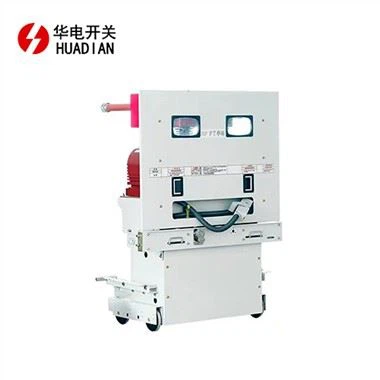
As a supplier of the ZN85 - 40.5 Insulator Handcart, I understand the importance of humidity resistance for this product. In high - humidity environments, the performance and lifespan of the ZN85 - 40.5 Insulator Handcart can be significantly affected. Here, I will share some practical ways to improve the humidity resistance of the ZN85 - 40.5 Insulator Handcart.
1. Material Selection and Treatment
The choice of materials for the ZN85 - 40.5 Insulator Handcart is crucial for humidity resistance. High - quality insulating materials with low water absorption coefficients should be preferred. For example, some advanced composite insulating materials have excellent water - repellent properties and can effectively prevent moisture absorption.
When it comes to treatment, applying a water - repellent coating on the surface of the insulator can form a protective layer. This coating can prevent moisture from directly contacting the insulator material, reducing the risk of surface flashovers and electrical breakdowns caused by moisture. Regular inspections should be carried out to ensure the integrity of the coating. If the coating shows signs of damage or wear, timely re - application is necessary.
In addition to insulators, the metal parts of the handcart also need proper treatment. Galvanizing, powder coating, or using stainless steel materials can enhance the corrosion resistance of metal components, protecting them from rust and damage in humid conditions.

2. Sealing Design
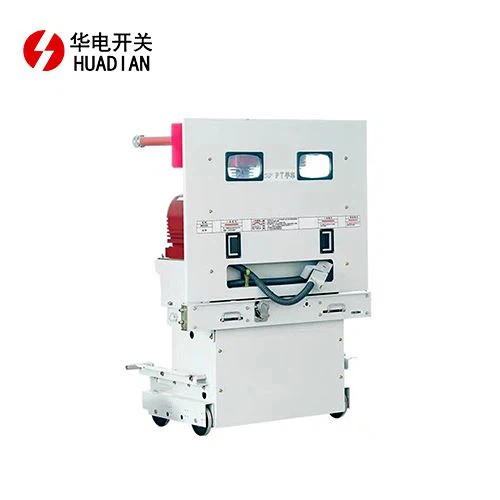
A well - designed sealing structure is essential for improving the humidity resistance of the ZN85 - 40.5 Insulator Handcart. The handcart should be equipped with high - quality sealing gaskets at all joints and openings. These gaskets should have good elasticity and sealing performance to prevent moisture from entering the interior of the handcart.
For example, around the doors and hatches of the handcart, sealing rubber strips can be used. The installation of these rubber strips should be precise to ensure a tight fit. Regularly check the sealing gaskets for aging, cracking, or deformation. Replace any damaged gaskets promptly to maintain the sealing effect.
In addition to physical sealing, the overall design of the handcart should also consider minimizing the entry of moisture. The layout of the internal components should be arranged in a way that reduces the formation of channels for moisture to penetrate. For example, the wiring ducts should be sealed properly, and the ventilation holes should be designed with anti - moisture ingress mechanisms.
3. Adequate Ventilation with Moisture Control
Although proper ventilation is necessary for heat dissipation inside the ZN85 - 40.5 Insulator Handcart, it also needs to be combined with moisture control. The ventilation system can be designed with moisture - absorbing materials, such as silica gel desiccants. These desiccants can effectively adsorb moisture in the air, reducing the relative humidity inside the handcart.
Regularly monitor the moisture content inside the handcart. When the desiccants reach their saturation point, they should be replaced in time. Additionally, the ventilation system can be equipped with fans and filters. The fans can promote air circulation, while the filters can prevent dust and moisture - laden particles from entering the handcart.
The ventilation openings should be designed in a way that allows for the discharge of humid air while preventing the entry of external moisture. For example, they can be installed with louvers or baffles that direct the airflow in a specific direction and prevent rain or splashing water from entering.
4. Environmental Monitoring and Control
Installing environmental monitoring devices inside the ZN85 - 40.5 Insulator Handcart can provide real - time information about the humidity and temperature conditions. These devices can be connected to a central control system, allowing operators to monitor the environment remotely.
If the humidity inside the handcart exceeds a certain threshold, automatic measures can be taken. For example, a heater can be activated to increase the temperature inside the handcart, thereby reducing the relative humidity. This heater should be carefully controlled to avoid overheating, which could damage the components of the handcart.
In addition to in - handcart monitoring, it is also important to consider the overall environment where the handcart is installed. The installation site should be well - ventilated and protected from direct exposure to rain or high - humidity sources. If possible, the installation room can be equipped with dehumidifiers to maintain a stable and low - humidity environment.
5. Regular Maintenance and Inspection
Regular maintenance and inspection are key to ensuring the long - term humidity resistance of the ZN85 - 40.5 Insulator Handcart. During maintenance, a comprehensive inspection of the handcart should be carried out, including checking the integrity of the insulation materials, the performance of the sealing gaskets, and the operation of the ventilation and heating systems.
Clean the surface of the insulator regularly to remove dust and dirt, which can accumulate moisture and reduce the insulation performance. Use appropriate cleaning agents and tools to avoid damaging the insulation surface.
Check the electrical connections inside the handcart. Loose connections can generate heat, which can further affect the humidity and performance of the handcart. Tighten any loose connections and ensure good electrical conductivity.
Product Introduction and Purchase Guidance
Our company offers a range of high - quality handcart products, including the ZN85 - 40.5 Special Handcart, ZN85 - 40.5 Insulator Handcart, and ZN85 - 40.5 Fuse Handcart. These products are designed with advanced technology and strict quality control to meet various application requirements.
If you are interested in our ZN85 - 40.5 Insulator Handcart and want to learn more about its humidity - resistance features or other specifications, or if you have any purchase intentions, we welcome you to contact us for in - depth discussions. We are committed to providing you with the best products and services to meet your needs.
References
- Electrical Equipment Handbook on High - Voltage Insulation, 2020 Edition
- Standard for Testing and Evaluation of Humidity Resistance of Electrical Components, 2021 Version
- Research Report on Improving the Environmental Adaptability of High - Voltage Handcarts, 2022