

Determining the installation location of a 35kV customized switch is a critical task that requires careful consideration of various factors. As a supplier of 35kV customized switches, I understand the importance of getting this right. In this blog post, I will share some key points to help you determine the most suitable installation location for your 35kV customized switch.
Electrical Requirements
The first aspect to consider is the electrical requirements. The installation location should be able to meet the electrical specifications of the 35kV customized switch. This includes factors such as voltage stability, short - circuit capacity, and grounding conditions.
- Voltage Stability: A stable voltage supply is essential for the proper functioning of the switch. The location should have a reliable power source with minimal voltage fluctuations. Unstable voltage can cause premature wear and tear on the switch components, leading to malfunctions and reduced lifespan.
- Short - Circuit Capacity: The installation site must be able to withstand the short - circuit currents that the switch may encounter during its operation. The short - circuit capacity of the location should be calculated accurately to ensure that the switch can interrupt the fault current safely. If the short - circuit capacity of the location is not sufficient, it can result in severe damage to the switch and other electrical equipment.
- Grounding Conditions: Proper grounding is crucial for the safety and performance of the 35kV customized switch. The grounding system at the installation location should be designed to provide a low - impedance path for fault currents. This helps to protect the equipment and personnel from electrical hazards.
Environmental Conditions
The environment in which the 35kV customized switch will be installed also plays a significant role in determining the location.
- Temperature and Humidity: Extreme temperatures and high humidity can have a negative impact on the switch's performance. The installation location should have a relatively stable temperature and humidity range. For example, if the switch is installed in a hot and humid area, it may require additional cooling and dehumidification measures to prevent condensation and overheating.
- Dust and Pollution: Areas with high levels of dust, dirt, or chemical pollutants can contaminate the switch components. This can lead to insulation breakdown and other electrical problems. It is advisable to install the switch in a clean environment or use appropriate enclosures to protect it from external contaminants.
- Vibration and Shock: The installation location should be free from excessive vibration and shock. Vibration can cause loose connections and damage to the internal components of the switch. If the switch is installed near machinery or in an area prone to seismic activity, proper vibration - isolation measures should be taken.
Accessibility and Safety
Accessibility and safety are two important factors that cannot be overlooked when determining the installation location.
- Accessibility: The switch should be easily accessible for maintenance and inspection purposes. This means that there should be sufficient space around the switch to allow technicians to operate safely. Adequate access doors, walkways, and clearances should be provided. For example, if the switch is installed in a switchgear room, there should be enough space for technicians to open the switch compartments and perform necessary maintenance tasks.
- Safety: The installation location should comply with all relevant safety standards. This includes providing proper insulation, protection against electrical shock, and fire prevention measures. The switch should be installed in a location that is not easily accessible to unauthorized personnel to prevent accidental contact and potential safety hazards.
Proximity to Load and Power Source
The proximity of the installation location to the load and power source is another key consideration.
- Load Proximity: Placing the 35kV customized switch close to the load can help to reduce voltage drops and power losses in the electrical system. This ensures that the load receives a stable and reliable power supply. For industrial applications, the switch should be located as close as possible to the manufacturing equipment to minimize power transmission losses.
- Power Source Proximity: The switch should also be close to the power source to minimize the length of high - voltage cables. Shorter cable lengths can reduce the risk of cable failures and improve the overall efficiency of the electrical system.
Types of 35kV Customized Switches and Their Installation Considerations
Our company offers a range of 35kV customized switches, such as the ZN85 - 40.5 Porential Transformer Handcart, ZN85 - 40.5 Fuse Handcart, and ZN85 - 40.5 Special Handcart. Each type of switch has its own unique installation requirements.

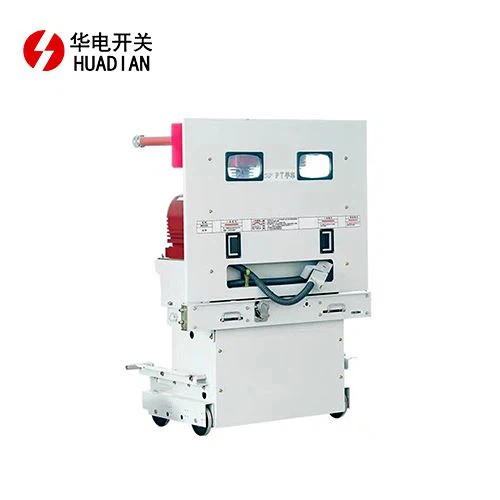
- ZN85 - 40.5 Porential Transformer Handcart: This type of handcart is often used for voltage measurement and protection. It should be installed in a location where it can accurately measure the voltage without being affected by external electromagnetic interference. The installation location should also have good ventilation to prevent overheating of the transformer components.
- ZN85 - 40.5 Fuse Handcart: Fuse handcart is designed to protect the electrical system from over - current faults. It should be installed in a well - ventilated area to allow for proper heat dissipation during normal operation and in case of a fuse blow. The installation location should also be easily accessible for fuse replacement.
- ZN85 - 40.5 Special Handcart: This handcart may have specific functions according to the customer's requirements. The installation location should be determined based on the special functions and operating conditions of the handcart. For example, if it is used for a specific industrial process, it should be installed close to the relevant equipment.
Conclusion
Determining the installation location of a 35kV customized switch is a complex process that involves considering multiple factors, including electrical requirements, environmental conditions, accessibility, safety, and proximity to the load and power source. By carefully evaluating these factors, you can ensure that the switch is installed in the most suitable location, which will not only improve its performance and reliability but also extend its service life.
If you are in the market for a 35kV customized switch, our company has a team of experienced engineers who can provide professional advice on installation location and other technical aspects. We are committed to offering high - quality products and excellent customer service. Contact us for procurement and further technical discussions!
References
- Electrical Power Systems Quality, by Roger C. Dugan, Mark F. McGranaghan, and Surya Santoso.
- Handbook of Electrical Engineering, edited by Terry L. Wildi.
- Standards for High - Voltage Switchgear, issued by international and national electrical standards organizations.


