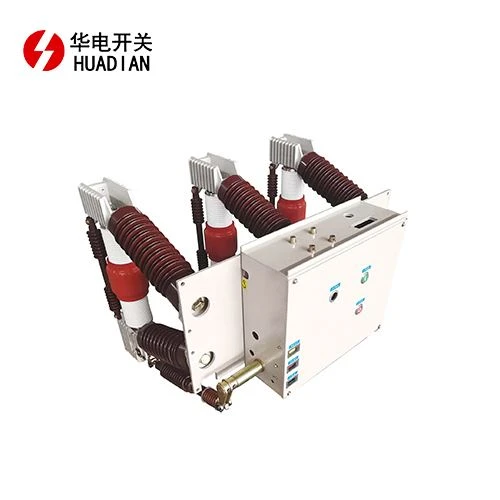
As a supplier of the ZN23 - 40.5 Vacuum Circuit Breaker, I am delighted to share in - depth knowledge on how to operate its handle. This vacuum circuit breaker plays a crucial role in high - voltage electrical systems, providing reliable protection and control. Understanding the proper operation of its handle is essential for both normal use and maintenance.
1. An Overview of the ZN23 - 40.5 Vacuum Circuit Breaker
The ZN23 - 40.5 Vacuum Circuit Breaker is designed for indoor use in high - voltage systems. It operates at a rated voltage of 40.5 kV and is engineered to interrupt short - circuit currents and control the flow of electricity efficiently. Its handle is one of the primary components for manual operation, which can be very useful during debugging, maintenance, or in case of an automatic control system failure.
2. Pre - operation Checks
Before operating the handle of the ZN23 - 40.5 Vacuum Circuit Breaker, several pre - operation checks are necessary:
2.1. Visual Inspection
- Appearance: Check the overall appearance of the circuit breaker and its handle for any visible damage, such as cracks, deformation, or loose parts. A damaged handle may not operate correctly and could potentially lead to dangerous situations.
- Indicator Lights: Observe the indicator lights on the control panel. They can provide information about the breaker's status, such as whether it is in the closed or open position, and if there are any faults detected.
2.2. Environmental Checks
- Temperature and Humidity: Ensure that the operating environment meets the specified temperature and humidity range. Extreme temperatures and high humidity can affect the performance of the circuit breaker and its components.
- Surroundings: Check for any foreign objects or debris around the circuit breaker and its handle. These can interfere with the normal operation of the handle and should be removed.
3. Operating the Handle for Closing the Circuit Breaker
3.1. Determine the Safe Operating Position
Before attempting to close the circuit breaker using the handle, make sure you are standing in a safe position. Wear appropriate personal protective equipment, such as insulated gloves and safety glasses.
3.2. Manual Closing Procedure
- Unlock the Handle: If the handle is locked, use the appropriate key or tool to unlock it. This is a safety feature to prevent unauthorized or accidental operation.
- Apply Steady Force: Gently pull or push the handle in the direction indicated for closing. Apply a steady and firm force, but do not use excessive force. The handle should move smoothly through its range of motion.
- Verify Closure: After moving the handle to the closing position, check the indicator lights or other status indicators to confirm that the circuit breaker has successfully closed. You can also listen for the characteristic "click" sound that indicates the contacts have made a proper connection.
4. Operating the Handle for Opening the Circuit Breaker
4.1. Safety Precautions
Similar to closing the circuit breaker, ensure that you are in a safe position and wearing the necessary protective equipment. Before opening the breaker, make sure that the electrical system can tolerate the interruption.

4.2. Manual Opening Procedure
- Unlock the Handle (if applicable): If the handle is locked during normal operation, unlock it using the appropriate key or tool.
- Apply Reverse Force: Push or pull the handle in the direction indicated for opening. Just like when closing, use a steady and controlled force. Avoid sudden or jerky movements that could cause damage to the handle or the internal components of the circuit breaker.
- Verify Opening: Check the indicator lights or other status indicators to confirm that the circuit breaker has opened. You may also notice a change in the electrical system, such as the cessation of electrical current flow, which can serve as further verification.
5. Handling Emergency Situations
5.1. Stuck Handle
If the handle gets stuck during operation, do not force it. First, check for any obvious obstructions, such as debris or a misaligned part. If the problem persists, it is recommended to contact a professional electrical technician. They have the expertise and tools to diagnose and resolve the issue safely.
5.2. Abnormal Sounds or Vibrations
During handle operation, if you hear abnormal sounds or feel excessive vibrations, immediately stop the operation and isolate the circuit breaker. These could be signs of internal damage or a malfunction, and further operation could lead to more serious problems. Contact a professional for inspection and repair.
6. Comparison with Similar Products
In the market, there are other vacuum circuit breakers similar to the ZN23 - 40.5, such as the 35 Kv Vacuum Circuit Breaker, ZN39 - 40.5 Vacuum Circuit Breaker, and ZN12 - 40.5 Vacuum Circuit Breaker. While the basic principles of handle operation are similar, each product may have unique design features and operating requirements.
The ZN23 - 40.5 Vacuum Circuit Breaker is known for its reliable performance and user - friendly handle design. However, it is important for users to refer to the specific operation manuals of each product to ensure correct and safe operation.
7. Conclusion
Properly operating the handle of the ZN23 - 40.5 Vacuum Circuit Breaker is of utmost importance for the safety and reliability of high - voltage electrical systems. By following the pre - operation checks, correct operating procedures, and knowing how to handle emergency situations, users can ensure the long - term and efficient use of the circuit breaker.
If you are interested in purchasing our ZN23 - 40.5 Vacuum Circuit Breakers or have any questions regarding their operation, features, or technical specifications, please feel free to contact us for further discussion and negotiation. We are dedicated to providing high - quality products and excellent customer service to meet your electrical needs.
References
- Relevant manufacturer's manuals for ZN23 - 40.5 Vacuum Circuit Breaker
- Industry standards and guidelines for high - voltage vacuum circuit breakers