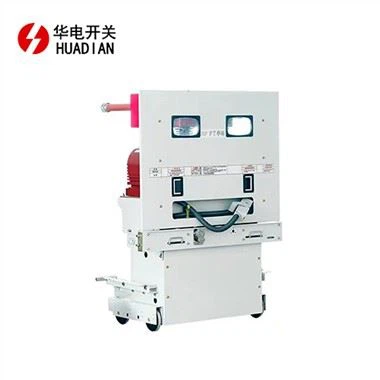
Sulfur hexafluoride (SF6) circuit breakers are crucial components in electrical power systems, offering high performance and reliability in interrupting electrical currents. As a supplier of SF6 circuit breakers, I understand the importance of adhering to strict standards and regulations to ensure the safety, efficiency, and quality of these products. In this blog post, I will delve into the key standards and regulations that govern SF6 circuit breakers, providing insights into why they are essential for the industry.


International Standards
One of the most significant international standards for SF6 circuit breakers is the International Electrotechnical Commission (IEC) standards. The IEC has developed a comprehensive set of standards that cover various aspects of SF6 circuit breakers, including design, testing, and performance requirements. For example, IEC 62271 - 100 specifically focuses on high - voltage alternating - current circuit breakers, which includes SF6 circuit breakers. This standard defines the technical requirements for the design, construction, and testing of these breakers to ensure their proper functioning under different operating conditions.
The IEC standards also address safety concerns. They specify requirements for the enclosure of the circuit breaker to prevent accidental contact with live parts, as well as requirements for the handling and storage of SF6 gas. SF6 is a potent greenhouse gas, and the IEC standards aim to minimize its emissions during the operation, maintenance, and decommissioning of circuit breakers.
National Standards
In addition to international standards, many countries have their own national standards for SF6 circuit breakers. In the United States, the Institute of Electrical and Electronics Engineers (IEEE) has developed standards such as IEEE C37.06 for AC high - voltage circuit breakers rated above 1000 V. These standards are similar in many ways to the IEC standards but may have some differences based on the specific requirements and practices in the US electrical grid.
National standards often take into account local environmental, safety, and electrical grid conditions. For example, in regions with extreme weather conditions, national standards may require additional design features in SF6 circuit breakers to ensure their reliability in such environments.
Environmental Regulations
As mentioned earlier, SF6 is a greenhouse gas with a high global warming potential. Therefore, environmental regulations play a crucial role in the use of SF6 circuit breakers. The Kyoto Protocol and subsequent international agreements have set targets for reducing greenhouse gas emissions, and SF6 is one of the gases included in these targets.
Many countries have implemented regulations to control the use, handling, and disposal of SF6. For instance, some regulations require that SF6 circuit breaker manufacturers and users have proper gas management systems in place. These systems are designed to prevent leaks of SF6 gas into the atmosphere, and they often include monitoring devices to detect any potential leaks.
When a SF6 circuit breaker reaches the end of its life, proper decommissioning procedures must be followed to ensure that the SF6 gas is recovered and recycled or disposed of in an environmentally friendly manner. Failure to comply with these environmental regulations can result in significant fines and damage to a company's reputation.
Product - Specific Standards
Apart from the general standards and regulations, there are also product - specific standards for different types of SF6 circuit breakers. For example, outdoor SF6 circuit breakers need to meet additional requirements due to their exposure to the elements. Our company offers several types of outdoor SF6 circuit breakers, such as the LW16 - 40.5 Outdoor Sulfur Hexafluoride Circuit Breaker, LW30 - 72.5 Outdoor Sulfur Hexafluoride Circuit Breaker, and LW9 - 72.5 Outdoor Sulfur Hexafluoride Circuit Breaker.
These outdoor circuit breakers must be designed to withstand harsh weather conditions, including high winds, heavy rain, and extreme temperatures. They also need to have proper insulation and protection against corrosion. The standards for these products ensure that they can operate safely and reliably in outdoor environments for an extended period.
Testing and Certification
To ensure compliance with the standards and regulations, SF6 circuit breakers must undergo rigorous testing. This includes type testing, which is performed on a representative sample of the product to verify its design and performance characteristics. Type testing typically involves tests such as dielectric tests, short - circuit tests, and mechanical operation tests.
Once a product passes the type testing, it can be certified. Certification is an important process as it provides assurance to customers that the product meets the required standards. Our company ensures that all our SF6 circuit breakers are thoroughly tested and certified according to the relevant international and national standards.
Importance of Standards and Regulations
The standards and regulations for SF6 circuit breakers are of utmost importance for several reasons. Firstly, they ensure the safety of the electrical grid and the personnel working with these circuit breakers. By adhering to the safety - related standards, the risk of electrical accidents, such as short - circuits and electric shocks, is significantly reduced.
Secondly, these standards and regulations promote the reliability of the electrical power system. A reliable power system is essential for the smooth operation of industries, businesses, and households. SF6 circuit breakers that meet the standards are more likely to function properly under different operating conditions, reducing the likelihood of power outages.
Finally, environmental regulations help to protect the environment. By controlling the emissions of SF6 gas, we can contribute to the global efforts to combat climate change.
Contact for Procurement
If you are in the market for high - quality SF6 circuit breakers that comply with all the relevant standards and regulations, we are here to assist you. Our range of products, including the LW16 - 40.5 Outdoor Sulfur Hexafluoride Circuit Breaker, LW30 - 72.5 Outdoor Sulfur Hexafluoride Circuit Breaker, and LW9 - 72.5 Outdoor Sulfur Hexafluoride Circuit Breaker, offers excellent performance and reliability.
We invite you to contact us to discuss your specific requirements and start a procurement negotiation. Our team of experts is ready to provide you with detailed information about our products and services.
References
- International Electrotechnical Commission (IEC). IEC 62271 - 100: High - voltage alternating - current circuit - breakers.
- Institute of Electrical and Electronics Engineers (IEEE). IEEE C37.06: AC high - voltage circuit breakers rated above 1000 V.
- United Nations Framework Convention on Climate Change (UNFCCC). Kyoto Protocol and subsequent agreements related to greenhouse gas emissions.