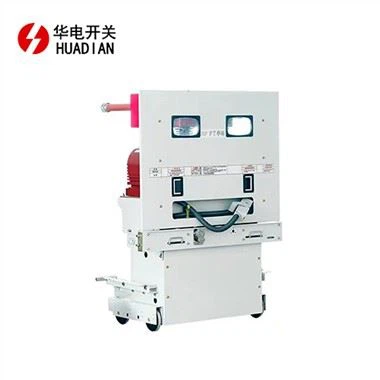
Hey there! As a supplier of ZN85 - 40.5 Insulator Handcart, I often get asked about the dielectric strength of these handcarts. So, let's dive right into it and explore what the dielectric strength of the ZN85 - 40.5 Insulator Handcart is all about.
Understanding Dielectric Strength
First off, dielectric strength is a crucial property when it comes to electrical insulation. It refers to the maximum electric field that an insulating material can withstand without breaking down and allowing current to flow through it. In simpler terms, it's like the "toughness" of the insulation in an electrical component.
For the ZN85 - 40.5 Insulator Handcart, dielectric strength is super important because it helps ensure the safe and reliable operation of the handcart. The handcart is designed to work in high - voltage environments, and the insulation needs to be able to handle the electrical stress without failing.
Factors Affecting Dielectric Strength of ZN85 - 40.5 Insulator Handcart
There are several factors that can influence the dielectric strength of the ZN85 - 40.5 Insulator Handcart.
One of the main factors is the material used for the insulation. The handcart typically uses high - quality insulating materials that are specifically chosen for their excellent dielectric properties. These materials are designed to resist the flow of electric current and maintain their integrity under high - voltage conditions.
Another factor is the design of the handcart. The shape and structure of the insulation can have a big impact on its dielectric strength. For example, a well - designed insulation system will minimize the presence of air gaps or other areas where electrical breakdown could occur.
The environment in which the handcart operates also plays a role. Factors such as temperature, humidity, and the presence of contaminants can all affect the dielectric strength. High temperatures can cause the insulating material to degrade over time, while humidity can increase the likelihood of electrical leakage. Contaminants, such as dust or dirt, can also reduce the effectiveness of the insulation.
Measuring Dielectric Strength
So, how do we measure the dielectric strength of the ZN85 - 40.5 Insulator Handcart? Well, there are standard testing methods that are used to determine the dielectric strength of electrical insulation.
One common method is the withstand test. In this test, a high - voltage is applied to the insulation for a specified period of time. If the insulation can withstand the voltage without breaking down, it passes the test. The voltage level used in the test is typically based on the rated voltage of the handcart and the relevant industry standards.
Another method is the partial discharge test. Partial discharges are small electrical discharges that occur within the insulation. These discharges can indicate the presence of defects or weaknesses in the insulation. By measuring the partial discharge activity, we can get an idea of the dielectric strength of the insulation.
Dielectric Strength of ZN85 - 40.5 Insulator Handcart in Practice
In real - world applications, the dielectric strength of the ZN85 - 40.5 Insulator Handcart is carefully considered to ensure the safety and reliability of the electrical system.
For example, in a high - voltage substation, the ZN85 - 40.5 Insulator Handcart is used to control and protect the electrical circuits. The high dielectric strength of the handcart's insulation helps prevent electrical breakdown and ensures that the handcart can operate safely under normal and abnormal conditions.
If the dielectric strength of the insulation is not sufficient, it could lead to electrical failures, such as short circuits or arcing. These failures can not only damage the handcart but also pose a safety risk to the personnel working in the area.
Different Types of ZN85 - 40.5 Handcarts and Their Dielectric Strength
There are different types of ZN85 - 40.5 handcarts, each with its own specific functions and requirements.
The ZN85 - 40.5 Special Handcart is designed for special applications and may have unique dielectric strength requirements. It is often used in situations where there are specific electrical or operational needs.
The ZN85 - 40.5 Fuse Handcart is used to protect the electrical circuits from overcurrent. The dielectric strength of this handcart is important to ensure that the fuse can operate properly and that the insulation can withstand the high - voltage conditions during a fault.
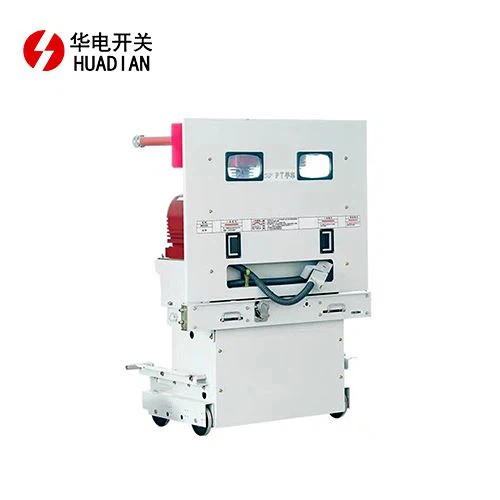
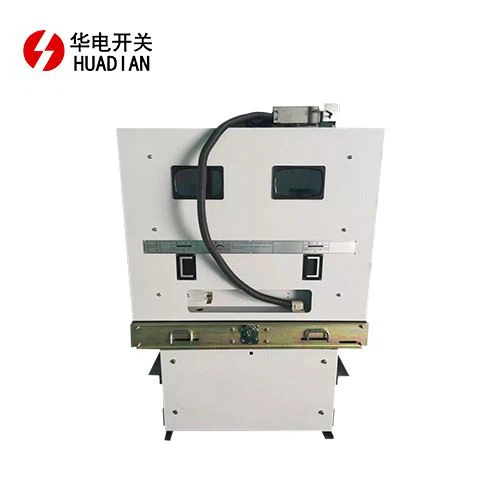
The ZN85 - 40.5 Porential Transformer Handcart is used for voltage transformation. The dielectric strength of the insulation in this handcart is crucial to ensure accurate voltage measurement and reliable operation of the transformer.
Importance of Maintaining Dielectric Strength
Maintaining the dielectric strength of the ZN85 - 40.5 Insulator Handcart is essential for its long - term performance. Regular maintenance and testing can help identify any potential issues with the insulation and take corrective actions before they lead to failures.
This includes visual inspections to check for signs of damage or degradation, as well as electrical testing to measure the dielectric strength. If any problems are detected, the insulation may need to be repaired or replaced to ensure the continued safe and reliable operation of the handcart.
Conclusion
In conclusion, the dielectric strength of the ZN85 - 40.5 Insulator Handcart is a critical factor in its performance and safety. It is influenced by factors such as the insulating material, design, and operating environment. By understanding and maintaining the dielectric strength, we can ensure that the handcart operates effectively in high - voltage applications.
If you're in the market for ZN85 - 40.5 Insulator Handcarts or have any questions about their dielectric strength, feel free to reach out for a procurement discussion. We're here to provide you with the best solutions for your electrical needs.
References
- Electrical Insulation Handbook.
- Industry standards for high - voltage electrical equipment.