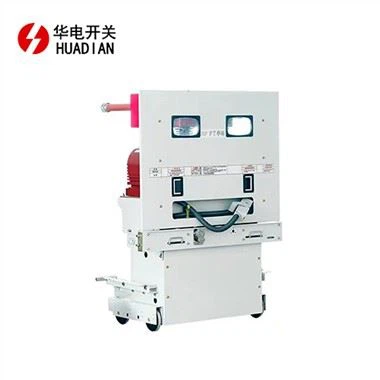
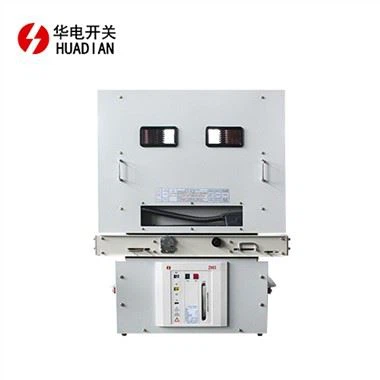
Sulfur hexafluoride (SF6) circuit breakers are crucial components in electrical power systems, providing reliable protection and control. As a trusted supplier of SF6 circuit breakers, including the LW30-126 Outdoor Sulfur Hexafluoride Circuit Breaker, LW8-40.5 Outdoor Sulfur Hexafluoride Circuit Breaker, and LN2-35 Indoor Sulfur Hexafluoride Circuit Breaker, we understand the importance of regular testing to ensure their optimal performance and safety.
Understanding the Need for Testing
SF6 circuit breakers are designed to interrupt electrical currents under normal and fault conditions. However, over time, various factors can affect their performance, such as mechanical wear, electrical stress, and environmental conditions. Regular testing helps to detect potential issues early, allowing for timely maintenance and preventing costly breakdowns.
Factors Influencing Testing Frequency
The frequency of testing SF6 circuit breakers depends on several factors, including:
- Manufacturer's Recommendations: Manufacturers typically provide guidelines on the recommended testing intervals based on the design and specifications of the circuit breaker. These recommendations should be followed as a starting point.
- Operating Conditions: The environment in which the circuit breaker operates can significantly impact its performance. For example, circuit breakers installed in harsh environments, such as high humidity, extreme temperatures, or areas with high levels of pollution, may require more frequent testing.
- Usage Patterns: The frequency of operation and the severity of the electrical loads can also affect the testing frequency. Circuit breakers that are frequently operated or subjected to high fault currents may need to be tested more often.
- Age of the Circuit Breaker: As circuit breakers age, their performance may degrade, and the risk of failure increases. Older circuit breakers may require more frequent testing to ensure their continued reliability.
Recommended Testing Intervals
Based on industry standards and best practices, the following are general guidelines for testing SF6 circuit breakers:
- Visual Inspections: Visual inspections should be conducted regularly, typically on a monthly or quarterly basis, to check for signs of damage, leaks, or abnormal conditions.
- Gas Leak Detection: SF6 gas is used as an insulating and arc-quenching medium in circuit breakers. Gas leak detection should be performed at least annually to ensure the integrity of the gas system.
- Mechanical Testing: Mechanical testing, such as checking the operating mechanism, contacts, and springs, should be performed every 3 to 5 years to ensure proper operation.
- Electrical Testing: Electrical testing, including insulation resistance testing, contact resistance testing, and dielectric strength testing, should be performed every 3 to 5 years to assess the electrical performance of the circuit breaker.
- Comprehensive Testing: A comprehensive testing program, including all the above tests, should be conducted every 5 to 10 years to ensure the overall reliability of the circuit breaker.
Benefits of Regular Testing
Regular testing of SF6 circuit breakers offers several benefits, including:
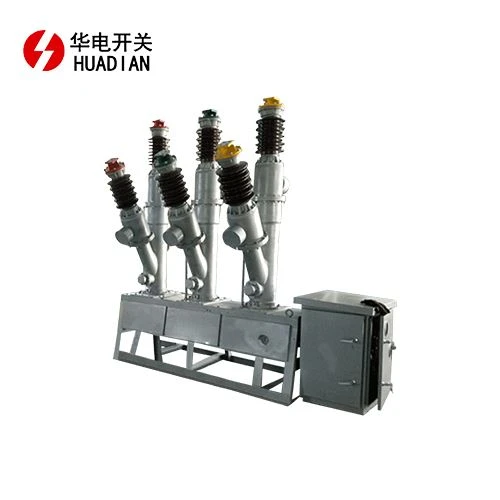
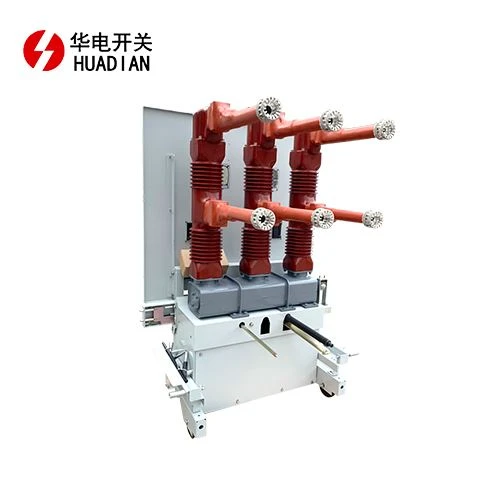
- Enhanced Safety: By detecting potential issues early, regular testing helps to prevent electrical accidents and ensure the safety of personnel and equipment.
- Improved Reliability: Testing helps to identify and address any performance issues, ensuring that the circuit breaker operates reliably under normal and fault conditions.
- Extended Lifespan: By maintaining the circuit breaker in good condition, regular testing can extend its lifespan and reduce the need for costly replacements.
- Compliance with Standards: Regular testing helps to ensure compliance with industry standards and regulations, which is essential for the safe and reliable operation of electrical power systems.
Conclusion
As a supplier of SF6 circuit breakers, we recommend following the manufacturer's recommendations and industry best practices for testing frequency. Regular testing is essential to ensure the optimal performance and safety of SF6 circuit breakers. By investing in regular testing, you can minimize the risk of breakdowns, improve reliability, and extend the lifespan of your circuit breakers.
If you are interested in learning more about our SF6 circuit breakers or have any questions about testing and maintenance, please feel free to contact us. We are here to help you make the right decisions for your electrical power system.
References
- IEEE Standard for Maintenance of Switchgear - IEEE C37.106-2014
- IEC 62271-100:2017 High-voltage switchgear and controlgear - Part 100: Circuit-breakers
- ANSI/IEEE C37.09-2012 Standard for AC High-Voltage Circuit Breakers Rated on a Symmetrical Current Basis