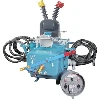
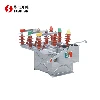
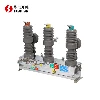
Medium voltage indoor vacuum circuit breakers (VCBs) play a crucial role in electrical distribution systems, offering reliable protection against overloads and short circuits.
Fault Interruption: VCBs are designed to interrupt electrical currents in the event of a fault, such as a short circuit or overload. When a fault occurs, the VCB rapidly opens its contacts to disconnect the faulty circuit, thereby preventing damage to equipment and minimizing the risk of electrical hazards.
Overload Protection: In addition to fault protection, VCBs also protect electrical equipment from excessive currents caused by overloads. By tripping when the current exceeds a preset threshold for a specified duration, VCBs help prevent overheating and damage to conductors, transformers, and other system components.
Isolation: VCBs provide a means of isolating electrical circuits for maintenance, repair, or testing purposes. By opening the circuit in a controlled manner, VCBs allow personnel to work safely on downstream equipment without the risk of electric shock or accidental energization.
Selective Coordination: In complex electrical distribution systems with multiple protective devices, selective coordination is essential to ensure that only the nearest upstream protective device operates in response to a fault. VCBs with adjustable tripping characteristics and coordination features enable precise coordination with downstream protection devices, thereby minimizing system downtime and improving reliability.
Remote Monitoring and Control: Modern VCBs are often equipped with advanced monitoring and control capabilities, allowing operators to remotely monitor status, trip events, and operating parameters. This enables proactive maintenance, troubleshooting, and optimization of the electrical distribution system, leading to improved reliability and efficiency.
Environmental Considerations: Unlike traditional circuit breakers that use oil or gas for arc extinction, VCBs employ vacuum technology, which eliminates the need for environmentally harmful substances and reduces the risk of fire or explosion. This makes VCBs a more environmentally friendly choice for indoor applications and helps ensure compliance with environmental regulations.
Space Savings: VCBs typically have a compact and modular design, allowing for more efficient use of space within switchgear enclosures or substations. This is especially beneficial in retrofitting existing installations or in applications with limited space constraints.
Overall, Medium Voltage Indoor Vacuum Circuit Breakers play a critical role in safeguarding electrical distribution systems, ensuring reliable operation, protecting equipment, and enhancing safety and efficiency. Their advanced features, including fault interruption, overload protection, selective coordination, remote monitoring, and environmental sustainability, make them indispensable components of modern electrical infrastructure.
Understanding the Basics of Medium Voltage Indoor Vacuum Circuit Breakers
Medium voltage indoor vacuum circuit breakers are essential components in electrical distribution systems, designed to interrupt current flow in the event of an overload or short circuit. Unlike traditional circuit breakers that rely on mediums such as oil or sulfur hexafluoride (SF6), vacuum circuit breakers utilize a vacuum to extinguish the arc when the contacts separate. This design eliminates the need for maintenance associated with replenishing or disposing of insulating mediums, making vacuum circuit breakers a popular choice for indoor applications.
Advantages of Medium Voltage Indoor Vacuum Circuit Breakers Over Traditional Solutions
One of the significant advantages of medium voltage indoor vacuum circuit breakers is their superior interrupting capacity. Vacuum interrupters can extinguish arcs quickly and efficiently, minimizing damage to electrical equipment and reducing downtime. Additionally, vacuum circuit breakers are environmentally friendly, as they do not contain greenhouse gases such as SF6, which have adverse effects on the environment. This makes them a sustainable choice for modern electrical systems.
Applications and Importance of Medium Voltage Indoor Vacuum Circuit Breakers
Medium voltage indoor vacuum circuit breakers find widespread use in various applications, including commercial buildings, industrial facilities, and utility substations. Their compact design and reliable performance make them ideal for installations where space is limited or where high levels of reliability are required. From protecting transformers and motors to safeguarding distribution networks, vacuum circuit breakers play a crucial role in ensuring the safe and efficient operation of electrical systems.
Key Components and Operation Principles of Medium Voltage Indoor Vacuum Circuit Breakers
A medium voltage indoor vacuum circuit breaker consists of several key components, including the vacuum interrupter, operating mechanism, and control circuitry. When a fault occurs, the operating mechanism initiates the opening of the contacts, creating an arc between them. The vacuum interrupter then extinguishes the arc by rapidly separating the contacts, thereby interrupting the current flow. This process occurs within milliseconds, preventing damage to the electrical system and ensuring the safety of personnel.
Maintenance and Safety Considerations for Medium Voltage Indoor Vacuum Circuit Breakers
While medium voltage indoor vacuum circuit breakers require minimal maintenance compared to traditional solutions, regular inspections and testing are essential to ensure their continued reliability. Inspections should include visual checks for signs of wear or damage, as well as electrical testing to verify proper operation. Additionally, safety precautions must be followed when working with medium voltage circuit breakers, including de-energizing the equipment and using appropriate personal protective equipment (PPE).
Contact Us:
Looking for reliable medium voltage indoor vacuum circuit breakers for your electrical distribution system? Look no further! We are a professional manufacturing supplier with a GMP factory, large inventory, and complete certificates to meet your needs. Whether you require OEM support, fast delivery, or testing assistance, we've got you covered. Contact us today at austinyang@hdswitchgear.com to explore our product offerings and start a partnership that ensures the safety and reliability of your electrical infrastructure.
References:
IEEE Standard for Metal-Clad Switchgear
ANSI/IEEE C37.20.2 - Standard for Metal-Clad Switchgear
"Vacuum Circuit Breakers: Design and Applications" by M.V. Kashikar
"Circuit Breakers: A Technician's Guide to Low- and Medium-Voltage Circuit Breakers" by R. Bryce
"Electrical Power Equipment Maintenance and Testing" by Paul Gill