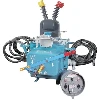
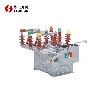
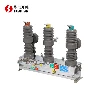
Using a GGJ Low Voltage Reactive Power Intelligent Compensation Device offers several benefits for electrical systems:
Improved Power Factor:
LVRPICDs actively monitor and adjust the reactive power flow in the system, ensuring that the power factor remains close to unity (1.0).
By maintaining a high power factor, the system operates more efficiently, reducing energy losses and improving overall system performance.
Energy Savings:
A higher power factor means that less reactive power needs to be supplied by the utility, reducing the amount of reactive power circulating in the system.
This reduction in reactive power flow results in lower energy consumption and reduced electricity bills, especially for systems subject to penalties for low power factor.
Optimized System Capacity:
By minimizing reactive power flow, LVRPICDs help free up system capacity for real power transmission.
This optimized utilization of system capacity allows for more efficient operation and can potentially defer the need for costly infrastructure upgrades.
Voltage Stability:
Reactive power compensation provided by LVRPICDs can help stabilize voltage levels within the electrical system.
By maintaining stable voltages, the devices ensure reliable operation of connected equipment and reduce the risk of voltage fluctuations causing damage or disruption.
Dynamic Response:
Intelligent LVRPICDs utilize advanced control algorithms to dynamically adjust reactive power compensation based on real-time system conditions.
This dynamic response ensures that the compensation provided is precisely matched to the changing reactive power requirements of the system, maximizing efficiency and performance.
Reduction of Harmonic Distortion:
Some LVRPICDs also include features to mitigate harmonic distortion in the electrical system.
By filtering out harmonics, these devices improve the quality of power delivered to connected loads, reducing the risk of equipment malfunction or damage.
Remote Monitoring and Control:
Many LVRPICDs offer remote monitoring and control capabilities, allowing operators to monitor system performance and adjust compensation settings from a centralized location.
This remote accessibility enables proactive maintenance, troubleshooting, and optimization of the compensation system, minimizing downtime and maximizing reliability.
Overall, the use of LVRPICDs offers significant benefits in terms of energy efficiency, cost savings, system reliability, and operational flexibility, making them a valuable component of modern electrical infrastructure.
Understanding Low Voltage Reactive Power Compensation
Low Voltage Reactive Power Compensation is a critical aspect of electrical engineering aimed at enhancing power quality and efficiency. GGJ Low Voltage Reactive Power Intelligent Compensation Device plays a pivotal role in this domain by actively managing reactive power in electrical systems. Reactive power, unlike active power, does not perform any useful work but is necessary for the operation of inductive loads such as motors and transformers. By employing GGJ Low Voltage Reactive Power Intelligent Compensation Device, industries can mitigate power factor issues, reduce line losses, and optimize energy usage.
Low voltage reactive power compensation is a method used to improve the power factor and manage reactive power in low voltage electrical systems. Here's a breakdown of the key points to understand:
Power Factor and Reactive Power:
Power factor is the ratio of real power (watts) to apparent power (volt-amperes). It indicates how effectively electrical power is being converted into useful work.
Reactive power, measured in volt-amperes reactive (VAR), is the component of power that oscillates back and forth between the source and inductive loads without performing useful work.
Importance of Power Factor Correction:
Low power factor results in inefficient energy usage, increased losses, and reduced system capacity.
Inductive loads such as motors, transformers, and fluorescent lighting contribute to a lagging power factor, necessitating reactive power compensation.
Compensation Methods:
Capacitors: Capacitors generate reactive power, helping to offset the lagging reactive power produced by inductive loads. They are connected in parallel to the system and are switched on or off based on demand.
Reactors: Reactors consume reactive power and are used to counteract leading power factor conditions where there is an excess of reactive power.
Considerations for Implementation:
Load Profiles: Understanding the load characteristics and variations in power demand is essential for designing an effective reactive power compensation system.
Control and Monitoring: Utilizing intelligent control systems allows for dynamic adjustment of compensation levels based on real-time conditions, optimizing performance and efficiency.
Protection: Proper protection mechanisms must be implemented to safeguard the compensation equipment from overvoltage, overcurrent, and other potential risks.
In summary, low voltage reactive power compensation is a vital aspect of power system management, improving efficiency, reducing costs, and ensuring reliable operation of electrical systems.
Enhancing Energy Efficiency
One of the primary benefits of utilizing GGJ Low Voltage Reactive Power Intelligent Compensation Device is its ability to enhance energy efficiency. Reactive power, if not adequately managed, results in increased line losses and reduced efficiency in electrical systems. By installing GGJ Low Voltage Reactive Power Intelligent Compensation Device, industries can minimize reactive power flow, thereby reducing current levels and losses in the distribution network. This not only leads to energy savings but also extends the lifespan of electrical equipment, resulting in long-term cost benefits.
Improving Power Quality and Reliability
Another significant advantage of incorporating GGJ Low Voltage Reactive Power Intelligent Compensation Device is the improvement in power quality and reliability. Reactive power fluctuations can cause voltage drops, leading to voltage instability and equipment malfunction. By dynamically compensating for reactive power, GGJ Low Voltage Reactive Power Intelligent Compensation Device helps maintain voltage levels within acceptable limits, ensuring stable operation of sensitive equipment. This not only prevents disruptions in industrial processes but also reduces the risk of equipment damage and downtime.
conclusion
In conclusion, GGJ Low Voltage Reactive Power Intelligent Compensation Device offers a multitude of benefits ranging from improved energy efficiency to enhanced power quality and reliability. By actively managing reactive power, industries can optimize their electrical systems, reduce energy costs, and ensure uninterrupted operations. Investing in it is not only a prudent decision for businesses looking to optimize their energy usage but also a sustainable approach towards building resilient electrical infrastructure.
If you want to learn more about this kind of it, welcome to contact us at mailto:austinyang@hdswitchgear.com
References:
"Reactive Power Compensation and Voltage Control: Technical Brochure." ABB, www.abb.com.
"Power Factor Correction and Harmonic Filtering in Electrical Plants." Schneider Electric, www.schneider-electric.com.
"Reactive Power Management Solutions." Siemens, www.siemens.com.