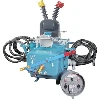
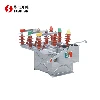
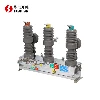
A cable branch box is a fundamental part in electrical conveyance frameworks, intended to disperse capacity to different circuits securely. Understanding its design is urgent for guaranteeing ideal execution and security. At its center, the comprises of a few key parts that cooperate to really oversee electrical associations.
The principal nook of it is commonly made of sturdy materials, for example, steel or aluminum to give insurance against outer components and mechanical harm. This walled in area houses every one of the interior parts and guarantees the wellbeing of the electrical associations inside. Moreover, the walled in area is frequently furnished with highlights, for example, lockable entryways and weatherproof seals to additional improve security.
Inside the nook, there are a few compartments assigned for various purposes. These compartments could integrate terminals for drawing nearer and dynamic cables, as well as space for protective contraptions like circuit breakers or wires. The design of these compartments is painstakingly intended to work with simple establishment, support, and review of it.
The Role of Terminals in Cable Branch Boxes
Terminals play a crucial role in it, serving as connection points for electrical conductors and facilitating the distribution of power within electrical systems.DFW10-12 Cable Branch Box also known as junction boxes or distribution boxes, are enclosures that house electrical connections and provide protection for cables and conductors. Let's explore the role of terminals within these boxes in more detail:
Connection Points:
Terminals serve as connection points where electrical conductors, such as wires or cables, are terminated and secured. These conductors may originate from various sources, such as incoming power lines, distribution cables, or branch circuits within a building or facility.
Within it, terminals provide a centralized location for organizing and managing the multitude of electrical connections required to distribute power to different circuits, equipment, and devices.
Facilitating Distribution:
They are used to split or branch electrical circuits, allowing power to be distributed to multiple destinations. Terminals within these boxes facilitate this distribution by providing points where conductors from different sources or going to different destinations can be interconnected.
By connecting incoming power lines to outgoing distribution cables or branch circuits, terminals enable the flow of electricity to various loads and equipment within a building or industrial facility.
Ensuring Electrical Safety:
Terminals in it play a critical role in ensuring electrical safety. They provide secure and reliable connections that minimize the risk of loose or exposed conductors, which could lead to electrical hazards such as short circuits, electrical shocks, or fires.
Properly installed and maintained terminals help maintain the integrity of electrical connections, preventing overheating, arcing, or other issues that could compromise safety.
Organizing and Managing Wiring:
DFW10-12 Cable Branch Boxs often contain multiple terminals arranged in an organized manner to facilitate the termination and routing of electrical conductors. Terminals may be mounted on terminal blocks or strips within the box, allowing for neat and orderly wiring configurations.
By providing designated connection points for each conductor, terminals help electricians and maintenance personnel identify, troubleshoot, and modify wiring arrangements more efficiently.
Flexibility and Scalability:
Terminals in it offer flexibility and scalability, allowing for easy expansion or modification of electrical systems as needed. Additional terminals can be added to accommodate new circuits, equipment upgrades, or changes in building layouts without requiring extensive rewiring or modifications.
Modular terminal blocks or connectors may be used to simplify the installation and reconfiguration of wiring within the box, facilitating future upgrades or expansions.
Protection and Environmental Considerations:
Terminals within it are typically designed to provide protection against environmental factors such as moisture, dust, and mechanical impact. Enclosures and covers help shield terminals and wiring from external elements, preserving the integrity and reliability of electrical connections.
In hazardous or corrosive environments, special terminal materials or coatings may be used to enhance resistance to chemical exposure or environmental degradation.
In summary, terminals play a vital role in it by serving as connection points for electrical conductors, facilitating the distribution of power, ensuring electrical safety, organizing wiring, and providing flexibility for system expansion and modification. Proper selection, installation, and maintenance of terminals are essential to the reliable and efficient operation of electrical distribution systems.
Safety Measures and Protective Devices in Cable Branch Boxes
Safety is paramount when it comes to electrical systems, and it is no exception. These devices are equipped with various protective measures and devices to safeguard against overcurrents, short circuits, and other electrical faults that could pose hazards to personnel or equipment.
One common protective device found in it is the circuit breaker, which automatically interrupts the flow of electricity in the event of an overload or short circuit. Circuit breakers are designed to trip rapidly to prevent damage to cables and equipment, minimizing downtime and ensuring continuity of power supply. Additionally, they may also incorporate other protective devices such as surge suppressors or residual current devices (RCDs) to provide further protection against electrical hazards.
In conclusion
In conclusion, a DFW10-12 Cable Branch Box comprises various key components that work together to facilitate safe and efficient power distribution. Understanding the structure and function of these components is essential for ensuring the reliable operation of electrical systems. By adhering to safety guidelines and utilizing appropriate protective devices, it can help maintain the integrity and stability of electrical networks.If you want to learn more about this kind of it, welcome to contact us at mailto:austinyang@hdswitchgear.com
References
1.Electrical Safety Foundation International. (n.d.). Understanding circuit protection and control equipment. Retrieved from https://www.esfi.org/resource/understanding-circuit-protection-and-control-equipment-383
2.The Institution of Engineering and Technology. (2018). Electric power distribution handbook. John Wiley & Sons.
3.Schneider Electric. (n.d.). Circuit breakers. Retrieved from https://www.schneider-electric.com/en/work/solutions/for-business/electric-utilities/circuit-breakers/
4.Siemens. (n.d.). Surge protection devices. Retrieved from https://new.siemens.com/global/en/products/energy/medium-voltage/components/surge-protection-devices.html