Limited Protection Capabilities
One significant disadvantage of a high voltage disconnector is its limited protection capabilities. Unlike circuit breakers, disconnectors are not designed to interrupt the flow of electrical current under load conditions. This means they cannot protect against overloads, short circuits, or other electrical faults. Their primary function is to isolate sections of an electrical circuit to ensure safety during maintenance or repair operations.
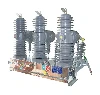
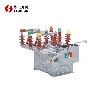
For example, in a high-voltage substation, a disconnector like the **GW4-40.5 Ceramic High Voltage Disconnector** is used to isolate transformers or transmission lines. While this is crucial for safety, it does not offer the protection needed during fault conditions. If a fault occurs, other protective devices, such as circuit breakers, must be relied upon to interrupt the current and protect the system. This limitation means that disconnectors must always be used in conjunction with other protective devices to ensure the overall safety and reliability of electrical systems.
Manual Operation and Safety Risks
Manual operation of disconnectors, while straightforward and cost-effective, comes with several disadvantages and safety risks that need to be carefully managed. Disadvantages of Manual
Manual Operation of Disconnectors
Human Error:
Erroneous Operation:
Because manual disconnectors require human intervention, there is a greater chance that they will operate incorrectly as a result of fatigue, lack of training, or miscommunication. A disconnector's improper opening or closing can result in system failures or unsafe conditions.
Slow Response:
The time required to manually operate the disconnector can delay the response in urgent situations like fault isolation, potentially escalating the problem and causing more extensive system damage.
Physical Activity:
Accessibility:
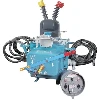
Manual disconnectors are frequently situated in high or hard to-arrive at regions, expecting administrators to ascend stepping stools or work in restricted spaces. This makes activity unwieldy as well as expands the gamble of falls and other actual wounds.
Requirement for Force:
Operating some high voltage disconnector requires a lot of physical force, which can be hard for operators to do, especially in bad weather or when they're wearing protective gear.
Support and Review:
Excessive use and tear:
Mechanical wear and tear can result from frequent manual operation, requiring regular part replacement and maintenance. This adds to the functional expenses and margin time.
Review Difficulties:
Regular and thorough inspections, which can take a lot of time and effort, are necessary to ensure that manually operated disconnectors are in good working order.
Safety Risks of Disconnectors
Curve Streak:
Arc flashes can occur when disconnectors are operated manually, particularly under load conditions. Burns, severe injuries, and even death can result from an arc flash.
Shock Chance: If proper insulation and grounding procedures are not followed, operators run the risk of getting an electric shock, especially in damp or humid environments.
Utilization of Live Equipment:
Risk from Being Close: Manual operation frequently necessitates close proximity to live electrical components, which raises the risk of electrocution and accidental contact.
Insufficient safety gear: Operators run the risk of putting themselves at risk by failing to wear the proper personal protective equipment (PPE) due to oversight or discomfort.
Ecological Circumstances:
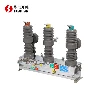
Impact of the weather: Manual operation of outdoor manual GW9-35 Outdoor High Voltage Disconnector is risky because they can be subjected to extreme weather conditions like rain, snow, or strong winds. These dangers can be made even worse by poor visibility or slippery surfaces.
Temperature Limits: Outrageous hot or cold temperatures can influence both the administrator's capacity to work really and the mechanical uprightness of the disconnector itself.
Maintenance and Reliability Concerns
Disconnectors-also known as disconnect switches-have a number of benefits for electrical systems, but they also have a few drawbacks related to issues with reliability and maintenance. To guarantee that electrical systems operate safely and effectively, it is essential to comprehend these drawbacks. The following are some of the most important issues with disconnectors in terms of reliability and maintenance:
Standard Upkeep Necessities:
For disconnectors to work properly, they need to be maintained on a regular basis. Testing, lubrication, and periodic inspections are all part of this. The switch's performance may be compromised by the accumulation of dust, corrosion, or other contaminants if regular maintenance is not carried out.
Mechanical Mileage:
Mechanical devices with moving parts are disconnectors. After some time, these parts can encounter mileage because of rehashed activities. Contacts, springs, and hinges are examples of components that can degrade, resulting in decreased performance or failure. Standard review and substitution of worn parts are important to keep up with dependability.
Contact Disintegration:
Contact erosion is a major issue with disconnectors. When the GW9-35 Outdoor High Voltage Disconnector works under load conditions, arcing can happen, causing disintegration of the contact surfaces. This disintegration can build the contact opposition, prompting overheating and expected disappointment. Contacts must be inspected on a regular basis and, if necessary, replaced to mitigate this.
Factors from the outside:
Disconnectors are frequently installed outdoors, where they are frequently subjected to harsh weather like rain, snow, dust, and extreme temperatures. The components' aging process can be accelerated by these environmental factors, raising the risk of failure. In order to shield the disconnectors from these elements, appropriate enclosures and weatherproofing measures are required.
The intricacy of Fix:
Repairing a disconnector can be difficult and time-consuming in the event of a failure. Distinguishing the underlying driver of the issue frequently requires particular information and indicative instruments. Additionally, repairs may require the electrical system to be shut down, resulting in operational downtime and possible disruptions.
Protection Corruption:
Disconnector insulation materials can deteriorate over time as a result of electrical, thermal, and environmental stresses. Protection debasement can think twice about the dielectric strength of the disconnector, expanding the gamble of electrical blame or short circuits. In order to quickly identify and address any issues, regular monitoring and testing of the insulation is essential.
Cost of Support:
The expense related to keeping up with disconnectors can be critical, particularly in enormous-scope modern or utility applications. This incorporates the expense of extra parts, work, and possible free time. In order to guarantee the continued, dependable operation of their electrical systems, businesses must budget for these costs.
Contact Us
If you want to learn more about high voltage disconnector, welcome to contact us at mailto:austinyang@hdswitchgear.com
References
1. [Understanding Electrical Disconnectors](https://www.electrical-engineering-portal.com/understanding-electrical-disconnectors)
2. [Safety Protocols for High Voltage Disconnectors](https://www.osha.gov/publications/safety-protocols-high-voltage-disconnectors)
3. [The Role of Disconnectors in Electrical Systems](https://www.ieee.org/publications/role-of-disconnectors)
4. [Maintenance of High Voltage Equipment](https://www.sciencedirect.com/science/article/pii/maintenance-high-voltage-equipment)
5. [Case Studies on Electrical Safety](https://www.springer.com/gp/book/case-studies-electrical-safety)