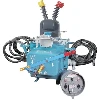
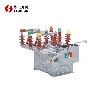
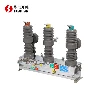
Components of Cable Branch Boxes:
Enclosure: The walled in area gives physical security for the inner components and wiring associations. It is ordinarily made of strong materials such as metal or fiberglass.
Terminals: Terminals are association focuses inside the box where approaching and active cables are ended. They guarantee secure and dependable electrical connections.
Circuit Assurance Gadgets: These gadgets, such as wires or circuit breakers, ensure the electrical circuits from over-burdens and brief circuits by hindering the stream of power when vital.
Incoming and Outgoing Cable Connections: It features terminals or connectors for incoming power supply cables and outgoing cables leading to secondary circuits or loads.
Role in Electrical Distribution:
It serves as distribution points where electrical power from a main supply is routed to various secondary circuits or loads. They facilitate the safe and organized distribution of electricity within a building or facility.
These boxes help manage and protect electrical connections, ensuring efficient power distribution and minimizing the risk of electrical hazards such as short circuits or overloads.
Installation Considerations:
Compliance with Regulations: Installation of it must adhere to local building codes, electrical standards, and regulations. These regulations govern factors such as box placement, wiring methods, grounding requirements, and safety measures.
Consultation with Experts: It's advisable to consult with a licensed electrician or relevant authority before initiating the installation process. They can provide guidance on compliance with regulations and ensure the installation meets safety and performance standards.
Proper Sizing and Configuration: Selecting the appropriate size and configuration of the DFW10-12 Cable Branch Box is essential to accommodate the electrical load requirements and ensure sufficient space for wiring connections.
Wiring and Termination: Proper wiring techniques and secure termination of cables are critical to maintain electrical continuity and prevent loose connections, which can lead to overheating or electrical faults.
Step-by-Step Guide to Installing a Cable Branch Box
Prepare the Installation Site:
Select a suitable location for it, ensuring it complies with clearance requirements and is easily accessible for maintenance.
Clear any obstructions and ensure sufficient space around the box.
Mounting the Enclosure:
Securely mount the enclosure to the mounting surface using appropriate fasteners.
Ensure the enclosure is level and firmly attached to prevent movement or instability.
Connect Incoming Cables:
Carefully route the incoming cables into the DFW10-12 Cable Branch Box through designated cable glands or entry points.
Strip the cable insulation according to the manufacturer's instructions.
Terminate the conductors securely, ensuring proper electrical contact.
Use cable glands or clamps to secure the cables and prevent strain on the connections.
Install Circuit Protection Devices:
Depending on the application and electrical load requirements, install appropriate circuit protection devices such as fuses or circuit breakers within it.
Follow the manufacturer's instructions for proper installation and sizing of the protection devices.
Ensure the devices are securely mounted and properly labeled for identification.
Terminate Outgoing Cables:
Connect the outgoing cables to the terminals or bus bars within the DFW10-12 Cable Branch Box.
Follow proper wiring techniques, such as stripping insulation, twisting conductors, and using appropriate terminals or connectors.
Tighten the connections securely to maintain electrical continuity and prevent loosening.
Label the outgoing cables for easy identification and future maintenance.
Test and Inspect:
Before closing the enclosure, conduct a thorough inspection of all connections, terminations, and installed devices.
Test the continuity and insulation resistance of the connections using appropriate testing equipment.
Verify that all cables are correctly routed and terminated, and that there are no visible signs of damage or defects.
Close and Seal the Enclosure:
Once satisfied with the installation, close and seal the enclosure securely.
Ensure all fasteners are tightened and any sealing gaskets or seals are properly in place to maintain weatherproofing and protection.
Documentation and Labeling:
Document the installation details, including cable routing, connection diagrams, and installed devices.
Label the Cable Branch Box with relevant information such as circuit designations, ratings, and maintenance instructions for future reference.
Importance of conducting thorough testing and inspection before closing the enclosure
Ensuring Safety: Thorough testing and inspection help ensure that all electrical connections are made correctly and securely. By verifying the integrity of the connections, potential safety hazards such as loose wires or improper terminations can be identified and corrected before energizing the system.
Preventing Electrical Failures: Testing allows for the detection of any wiring errors or faults that could lead to electrical failures, such as short circuits or overloads. Identifying and addressing these issues prior to closing the enclosure helps prevent costly downtime and equipment damage.
Compliance with Regulations: Many electrical codes and standards require thorough testing and inspection before commissioning electrical installations. By conducting these tests, installers can ensure compliance with regulatory requirements and avoid potential legal liabilities.
Optimizing Performance: Testing ensures that the electrical system functions as intended and meets the performance requirements specified for the application. It allows for the verification of voltage levels, current flows, and other parameters to ensure optimal performance and efficiency.
Preventing Re-Work: Identifying and rectifying any installation errors or deficiencies during testing and inspection reduces the likelihood of re-work and associated costs. It allows for corrections to be made before the enclosure is closed, saving time and resources in the long run.
Protecting Equipment and Assets: Thorough testing helps protect expensive electrical equipment and assets from damage due to faulty wiring or improper connections. By identifying and resolving issues early on, the risk of equipment damage and subsequent repair or replacement costs is minimized.
In conclusion
By following these steps and adhering to safety protocols, one can effectively install a DFW10-12 Cable Branch Box to facilitate safe and efficient electrical distribution.If you want to learn more about this kind of it, welcome to contact us at mailto:austinyang@hdswitchgear.com
References
1.National Electrical Code (NEC)
2.International Electrotechnical Commission (IEC) standards
3.Manufacturer's installation instructions