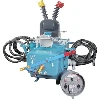
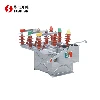
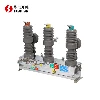
Load-switch cable distribution boxes play a crucial role in electrical systems, ensuring the safe and efficient distribution of power. These boxes are designed to handle high voltage and current levels while providing protection to the connected equipment and personnel. Understanding the components and functionality of these distribution boxes is essential for effective troubleshooting.
When dealing with it, it's important to familiarize yourself with their basic components. These typically include switches, fuses, circuit breakers, terminals, and indicator lights. The Cable Distribution Box, for example, incorporates advanced features like SF6 insulation, ensuring optimal performance and safety in various operating conditions. By understanding how each component contributes to the box's overall functionality, technicians can better diagnose and resolve common issues.
Identifying Common Problems
Overheating: Overheating can happen due to over the top current stream, destitute ventilation, or lacking warm scattering inside the dissemination box. To moderate this issue, guarantee that the dispersion box is appropriately measured for the stack, and maintain a strategic distance from over-burdening it past its appraised capacity. Progress ventilation by expelling hindrances around the box and introducing extra cooling instruments such as fans or vents if fundamental. Routinely review and clean the conveyance box to anticipate clean aggregation, which can block wind current and worsen overheating.
Loose Connections: Loose connections within the distribution box can lead to voltage drops, increased resistance, and potential arcing, resulting in overheating and electrical faults. Perform routine inspections to check for loose or corroded connections and tighten them as needed. Use proper torque settings when fastening connections to ensure optimal contact and conductivity. Consider using locking hardware or additional securing mechanisms to prevent connections from loosening over time.
Insulation Degradation and Moisture Ingress: Insulation degradation or moisture ingress can compromise the integrity of the electrical components within the Cable Distribution Box For DFW10-12SF6 Load Switch, leading to short circuits and electrical faults. Inspect the seals, gaskets, and ingress protection features of the distribution box regularly to ensure they are intact and effective at preventing moisture intrusion. Repair or replace damaged seals and gaskets promptly to maintain a watertight enclosure. Consider applying protective coatings or sealants to vulnerable areas to enhance moisture resistance.
Circuit Overload: Circuit overload occurs when the connected load exceeds the rated capacity of the distribution box, leading to tripped breakers or blown fuses. To prevent circuit overload, carefully assess the power requirements of connected devices and distribute the load evenly across multiple circuits if necessary. Consider upgrading to a distribution box with a higher current rating or installing additional circuits to accommodate the load requirements. Implement load monitoring and management systems to detect and mitigate potential overload conditions before they occur.
Insulation Breakdown and Contamination: Insulation breakdown or contamination within the distribution box can result in arcing, short circuits, and electrical fires. Inspect the insulation materials regularly for signs of damage, degradation, or contamination, such as discoloration, cracking, or foreign debris. Replace damaged or compromised insulation promptly to maintain electrical safety and prevent catastrophic failures. Implement proper insulation coordination and spacing between conductors to minimize the risk of arcing and electrical faults.
Troubleshooting and Maintenance Tips
Troubleshooting Tips:
Visual Inspection: Begin by visually inspecting the Cable Distribution Box For DFW10-12SF6 Load Switch for any obvious signs of damage, overheating, or abnormal operation. Look for burnt components, melted insulation, or discoloration, which may indicate a problem.
Check Connections: Inspect all connections and terminals within the distribution box for tightness and signs of corrosion. Loose or corroded connections can lead to voltage drops, increased resistance, and potential arcing.
Use Testing Equipment: Utilize appropriate testing equipment, such as multimeters, insulation testers, and thermal imaging cameras, to diagnose electrical faults and verify the integrity of circuits and insulation.
Refer to Documentation: Consult the manufacturer's documentation and specifications for troubleshooting guidelines specific to the Cable Distribution Box For DFW10-12SF6 Load Switch. Follow recommended procedures and precautions outlined in the documentation.
Maintenance Tips:
Develop a Maintenance Schedule: Establish a preventive maintenance schedule that includes routine inspections, cleaning, and testing procedures for the distribution box. Regular maintenance helps identify potential issues before they escalate into major problems.
Inspect and Clean Regularly: Conduct regular inspections of the distribution box to check for signs of wear, corrosion, or contamination. Clean the box and its components, including terminals, contacts, and insulators, to remove dust, debris, and contaminants that can impair performance.
Replace Worn-Out Components: Replace worn-out or damaged components, such as fuses, insulators, and seals, as part of preventive maintenance. Inspect and test replacement components before installation to ensure compatibility and proper functioning.
Keep Records: Maintain detailed records of maintenance activities, including inspection findings, repairs, and component replacements. Documentation helps track the condition of the distribution box over time and facilitates troubleshooting and future maintenance efforts.
In conclusionTroubleshooting and Maintenance Tips
Effective troubleshooting of it requires a systematic approach. Start by visually inspecting the box for any signs of damage, overheating, or abnormal operation. Check all connections and terminals for tightness and corrosion, ensuring proper electrical contact. Use appropriate testing equipment, such as multimeters and insulation testers, to verify the integrity of circuits and insulation. Additionally, refer to the manufacturer's documentation and specifications for troubleshooting guidelines specific to the Cable Distribution Box For DFW10-12SF6 Load Switch.
Regular maintenance is essential for ensuring the long-term reliability and safety of it. Develop a preventive maintenance schedule that includes routine inspections, cleaning, and testing procedures. Replace worn-out components, such as fuses and insulators, as needed to prevent unexpected failures. Keep records of maintenance activities and any observed issues for future reference. By staying proactive and attentive to the condition of these critical components, you can minimize downtime and ensure uninterrupted power distribution.
In conclusion
In conclusion, troubleshooting common issues with Cable Distribution Box For DFW10-12SF6 Load Switch requires a combination of technical knowledge, systematic approach, and preventive maintenance. By understanding the underlying principles, identifying common problems, and implementing effective troubleshooting and maintenance strategies, technicians can ensure the reliable and safe operation of electrical systems.If you want to learn more about this kind of it, welcome to contact us at mailto:austinyang@hdswitchgear.com
References
1.Manufacturer's documentation for the Cable Distribution Box For DFW10-12SF6 Load Switch.
2.Electrical Safety Foundation International (ESFI) guidelines for electrical equipment maintenance.
3.National Fire Protection Association (NFPA) standards for electrical system inspection and maintenance.