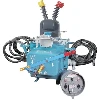
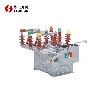
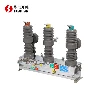
Guaranteeing the unwavering quality and execution of LW25-126 Outdoor Sulfur Hexafluoride Circuit Breakers is foremost in the domain of electrical frameworks. These circuit breakers play a basic part in defending gear and work force from electrical deficiencies. Legitimate upkeep and overhauling are fundamental to maintain their usefulness and security guidelines. In this comprehensive direct, we dig into the complexities of keeping up and overhauling SF6 circuit breakers, covering everything from operational experiences to security safety measures and investigating methodologies.
Understanding SF6 Circuit Breakers
Before delving into maintenance procedures, it's crucial to grasp the fundamentals of LW25-126 Outdoor Sulfur Hexafluoride Circuit Breakers. These high-voltage devices are pivotal in interrupting current flow during electrical faults, thereby protecting the integrity of power systems. Unlike conventional circuit breakers, SF6 circuit breakers utilize sulfur hexafluoride gas to extinguish arcs, offering superior insulation and arc-extinguishing capabilities. Understanding their components and operational mechanisms lays the groundwork for effective maintenance practices.
Maintenance Schedule
The maintenance schedule for it is vital for ensuring their continued reliability and performance. A well-planned maintenance program typically includes the following key activities:
Regular Inspections: Conduct routine visual inspections to check for any signs of wear, corrosion, or damage to the circuit breaker components, including contacts, insulation, and operating mechanisms.
Functional Testing: Perform functional tests to verify the proper operation of the circuit breaker, including tripping mechanisms, control circuits, and auxiliary systems.
Gas Monitoring: Monitor the SF6 gas levels within the circuit breaker to ensure optimal pressure and purity. Periodically check for leaks and perform gas analysis to assess the condition of the insulation gas.
Lubrication: Apply lubricants to moving parts and mechanical components to reduce friction and ensure smooth operation. Lubrication helps prevent wear and extends the service life of critical components.
Electrical Testing: Conduct electrical tests to assess the insulation resistance, contact resistance, and dielectric strength of the circuit breaker. These tests help identify any potential issues with electrical insulation and contacts.
Cleaning: Keep the circuit breaker and its surroundings clean and free of dust, dirt, and debris. Regular cleaning helps prevent contamination and improves the overall reliability of the equipment.
Documentation: Maintain detailed records of all maintenance activities, including inspection reports, test results, and maintenance schedules. Documentation facilitates tracking of equipment performance and compliance with regulatory requirements.
Training and Certification: Ensure that maintenance personnel are adequately trained and certified to perform maintenance tasks safely and effectively. Ongoing training programs help keep personnel updated on the latest maintenance techniques and safety protocols.
Safety Precautions
Security safety measures are foremost when performing upkeep on Sulfur Hexafluoride Circuit Breaker to relieve potential dangers and guarantee the well-being of staff. Here are fundamental security measures to observe:
Personal Defensive Gear (PPE): Give support faculty with suitable PPE, counting security glasses, gloves, defensive clothing, and respiratory security, to minimize introduction to dangerous materials and electrical hazards.
Lockout/Tagout Methods: Execute lockout/tagout (LOTO) methods to de-energize and confine the circuit breaker from control sources some time recently performing upkeep errands. Lockout gadgets anticipate inadvertent energization and guarantee the security of staff working on the equipment.
Ventilation: Guarantee satisfactory ventilation in the upkeep region to avoid the collection of SF6 gas, which is odorless, colorless, and heavier than discuss. Appropriate ventilation makes a difference scatter any discharged gas and diminishes the chance of suffocation or presentation to harmful concentrations.
Gas Location: Utilize gas location gadgets to screen SF6 gas levels and identify any spills amid upkeep exercises. Gas locators give early caution of potential risks and empower incite activity to moderate dangers and avoid gas exposure.
Handling Methods: Take after appropriate taking care of strategies for SF6 gas barrels and hardware to avoid spills, spills, or coincidental discharges. Utilize fitting taking care of gear and procedures to minimize the chance of damage or property damage.
Training: Give comprehensive preparing to support staff on secure taking care of hones, crisis strategies, and the potential dangers related with SF6 circuit breakers. Guarantee that staff are commonplace with gear manuals, security rules, and crisis reaction conventions.
Record-Keeping and Documentation
Record-keeping and documentation are integral aspects of maintaining Sulfur Hexafluoride Circuit Breaker, facilitating effective maintenance planning, compliance with regulations, and troubleshooting. Here's how to approach record-keeping:
Maintenance Logs: Maintain detailed maintenance logs for each SF6 circuit breaker, documenting all maintenance activities performed, including inspections, tests, repairs, and replacements. Record the date, time, nature of work, equipment used, and personnel involved for each task.
Inspection Reports: Generate inspection reports after each routine inspection, noting any abnormalities, defects, or potential issues observed during the assessment. Include recommendations for corrective action and follow-up measures.
Test Results: Document the results of all diagnostic tests conducted on SF6 circuit breakers, such as insulation resistance tests, contact resistance tests, and SF6 gas quality tests. Record the test parameters, measurements, and any deviations from expected values.
Maintenance Procedures: Maintain copies of manufacturer's manuals, maintenance procedures, and safety guidelines for SF6 circuit breakers. Ensure that maintenance personnel have access to up-to-date documentation and follow prescribed procedures for maintenance tasks.
Equipment History: Maintain a comprehensive equipment history for each SF6 circuit breaker, documenting its installation date, commissioning, previous maintenance activities, and any modifications or upgrades. This information provides valuable insights into the equipment's performance and condition over time.
Regulatory Compliance: Ensure that maintenance records comply with relevant industry standards, regulations, and codes of practice governing SF6 circuit breakers. Keep abreast of regulatory updates and incorporate changes into maintenance documentation as necessary.
Trend Analysis: Analyze maintenance data and trends over time to identify recurring issues, performance trends, and areas for improvement. Use historical data to optimize maintenance schedules, predict equipment failures, and prioritize corrective actions.
Conclusion
In conclusion, the maintenance and servicing of LW25-126 Outdoor Sulfur Hexafluoride Circuit Breakers are paramount to ensuring the longevity and reliability of electrical systems. By adhering to a structured maintenance schedule, implementing safety precautions, and conducting thorough inspections and testing, potential issues can be addressed proactively, minimizing downtime and maximizing operational efficiency. Investing in training and certification for maintenance personnel, coupled with diligent record-keeping practices, fosters a culture of excellence and compliance within the industry. Through proactive maintenance efforts, SF6 circuit breakers can continue to fulfill their critical role in safeguarding personnel and equipment in various electrical applications.If you want to learn more about this kind of it, welcome to contact us at mailto:austinyang@hdswitchgear.com
References
CIGRE. (2019). Guide for SF6 gas mixtures. CIGRE Technical Brochure 863
IEEE. (2020). IEEE guide for sulfur hexafluoride (SF6) gas handling for high-voltage (over 1000 V ac) equipment. IEEE Std 1584.
NETA. (2021). Maintenance testing specifications for electrical power distribution equipment and systems. ANSI/NETA MTS